Dental insurance implant guide: Tips for coverage timelines
"You cannot simply walk into a clinic and expect a policy to pay for a procedure planned months ago without understanding the fine print."
Securing a dental insurance implant guide requires a deep dive into coverage timelines, waiting periods, and specific exclusions before signing a contract. This guide helps you navigate policy differences, coverage limits, and timing requirements to ensure your dental work is actually covered.
Key takeaways include understanding waiting periods, verifying pre-existing condition clauses, and comparing monthly premiums against deductible-style excesses.
How do I start my dental insurance implant guide?
At dawn, I grip my pen tightly and scan the policy pages to begin my dental insurance implant guide.

A person sits at a wooden desk, flipping through a thick policy booklet while a cup of coffee cools nearby. They highlight a section regarding "waiting periods" to ensure they understand when high-cost procedures like implants become eligible.
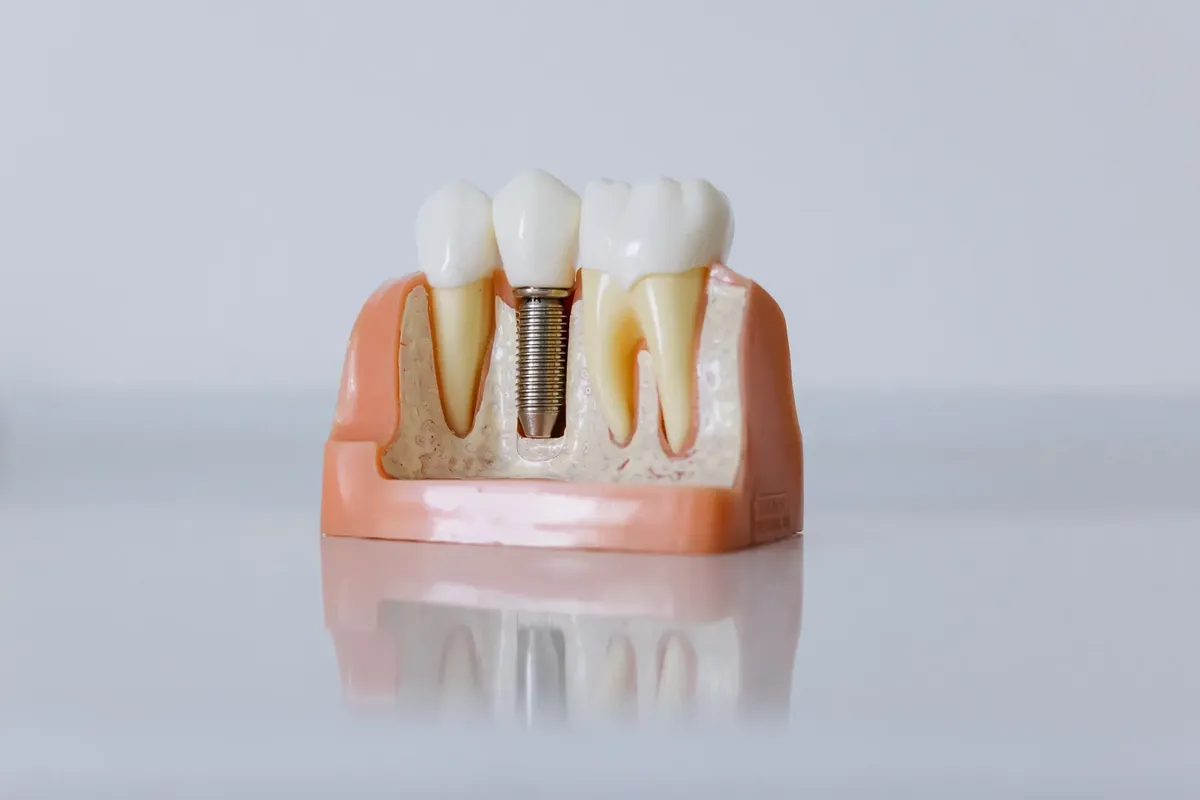
Starting a dental insurance implant guide begins with identifying the specific scope of coverage for restorative work. Many plans distinguish between basic cleanings and major surgical procedures.
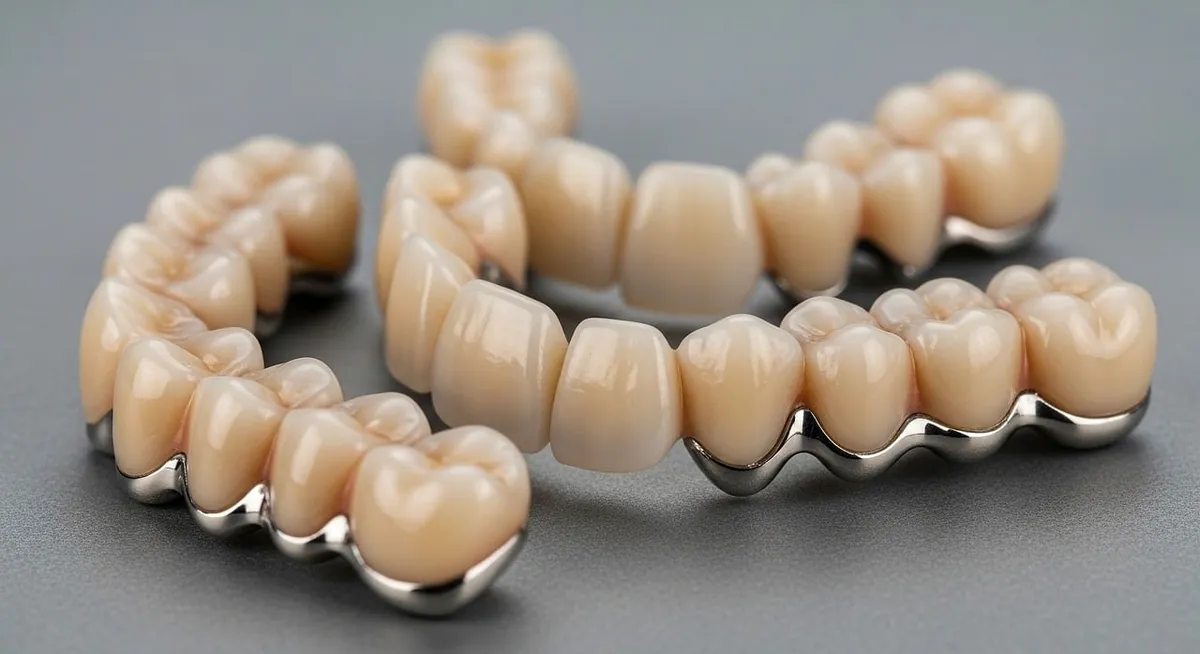
You must verify if the policy includes coverage for implants or if it only covers tooth replacements like bridges.
According to the Wisconsin Department of Employee Trust Funds, dental insurance structures can vary significantly based on the entity providing the coverage. You should investigate whether your plan is an employer-sponsored group plan or a private individual policy.
A limitation to consider is that some policies may have specific time-based restrictions. For example, some coverage for pre-existing conditions is only valid if purchased within a very short window after a specific event, such as 24 to 48 hours or up to two weeks.
- Define your specific oral health needs and budget.
- Research various coverage levels for major procedures.
- Compare provider networks in your local area.
- In this sequence, the second step is the most detailed.
What should I look for in a dental plan comparison?
Late at night, I squint at the glowing screen while performing a dental plan comparison to find the best savings.
A researcher compares two different digital insurance brochures on a laptop screen, noting the differences in monthly costs and coverage limits. They use a highlighter to mark the "excess" amounts required before the insurance kicks in.
Performing a dental plan comparison involves looking beyond the monthly premium to the total cost of ownership. A low monthly payment might hide a high deductible or a significant excess that could offset the benefits of the coverage.
A user in the Netherlands pays 113€/month, with an excess of 500€. This illustrates how monthly costs and out-of-pocket requirements create a unique financial profile for each policyholder.
When you conduct a dental plan comparison, you must weigh the immediate monthly expense against the potential savings on major oral surgery. If the excess is too high, the insurance may not provide the financial relief intended for expensive implants.
Focus on annual maximums, coverage percentages for restorative work, and waiting periods for major services.
How to choose implant insurance effectively?
A homeowner reviews a stack of insurance papers, looking closely at the fine print regarding specialist visits. They compare the cost of a specialist consultation against the reimbursement rate provided by the plan.
A 2007 book attacking the American title insurance "cartel" acknowledged that "[m]ore extensive use of Torrens certification would require setting up a special judicially supervised bureaucracy," according to cartel.
Learning how to choose implant insurance requires evaluating the network of providers. Some plans only reimburse at a certain percentage of the "usual and customary" rates, which might be lower than what your local specialist charges.
One user in Europe pays 80€/month for coverage including specialists and hospital stays, plus state insurance. This demonstrates that coverage levels can vary based on whether specialists are included in the base premium.
To succeed in how to choose implant insurance, check if the plan requires a referral to see a specialist for implant surgery. Some plans offer direct access, while others require a primary dentist to authorize the procedure first.
Verify if the policy covers both the surgical placement and the prosthetic crown to avoid unexpected out-of-pocket costs.
What is the best dental insurance plans checklist?
A traveler stares at a passport and a travel itinerary, wondering if their current insurance covers dental emergencies abroad. They check the dates on their policy to see if they are within the allowed enrollment window.
Developing the best dental insurance plans checklist involves verifying the waiting period for major restorative work. Most insurance companies require a period of several months to a year of continuous coverage before they will pay for implants.
- Verify the specific waiting period for major procedures like implants. 2. Check the annual maximum benefit to ensure it covers the total cost of the procedure. 3. Confirm the coverage for pre-existing conditions and the timeframe for enrollment.
I once reviewed a policy where the waiting period for implants was twelve months, which meant I had to plan my dental health much further in advance than I initially thought.
A final check involves confirming that the dental office you intend to visit is an "in-network" provider. Using an out-of-network specialist can result in much higher out-of-pocket costs, regardless of the policy's stated benefits.
Ensure your checklist includes deductible amounts, specialist coverage, and network flexibility.
Why should I perform a dental insurance policy review?
An office worker sits in a quiet corner of a cafe, carefully reading a new insurance contract. They pull out a calculator to see how much they will owe after the insurance pays its share.
Conducting a dental insurance policy review is essential when your dental needs change, such as when moving from preventative care to restorative surgery. A policy that was perfect for cleanings might be insufficient for an implant procedure.
A dental insurance policy review helps you understand the "co-insurance" percentage. For instance, if the plan pays 50% for implants, you must be prepared to cover the remaining half of the total cost.
If you are considering a major procedure, a dental insurance policy review should focus on the "exclusion" list. Some plans specifically exclude certain types of implants or bone grafting, which are often necessary for successful placement.
Regularly reviewing your policy helps you adjust coverage as your dental needs change over time.
Wikipedia: Insurance (full) Based on the retained excerpt mentioning The Association of British Insurers: The Association of British Insurers (grouping together 400 insurance companies and 94% of UK insurance services) has almost 20% of the investments in the London Stock Exchange.
The same subject is also called Implant insurance checklist.
The same subject is also called Check before dental insurance.
Related







Comments 0