Best Insurance Tips: Check insurance coverage before signing
"The fine print is often where the true scope of protection resides, separating a promise from a reality."
To check insurance coverage before signing, you must scrutinize the specific definitions of covered perils, the limits of liability, and the impact of regulatory frameworks on your policy.
This guide provides a breakdown of essential verification steps to ensure your coverage meets your actual needs. You should focus on understanding how specific exclusions apply, how much you must pay out of pocket, and how legal standards dictate your payout.
How do I verify insurance benefits?
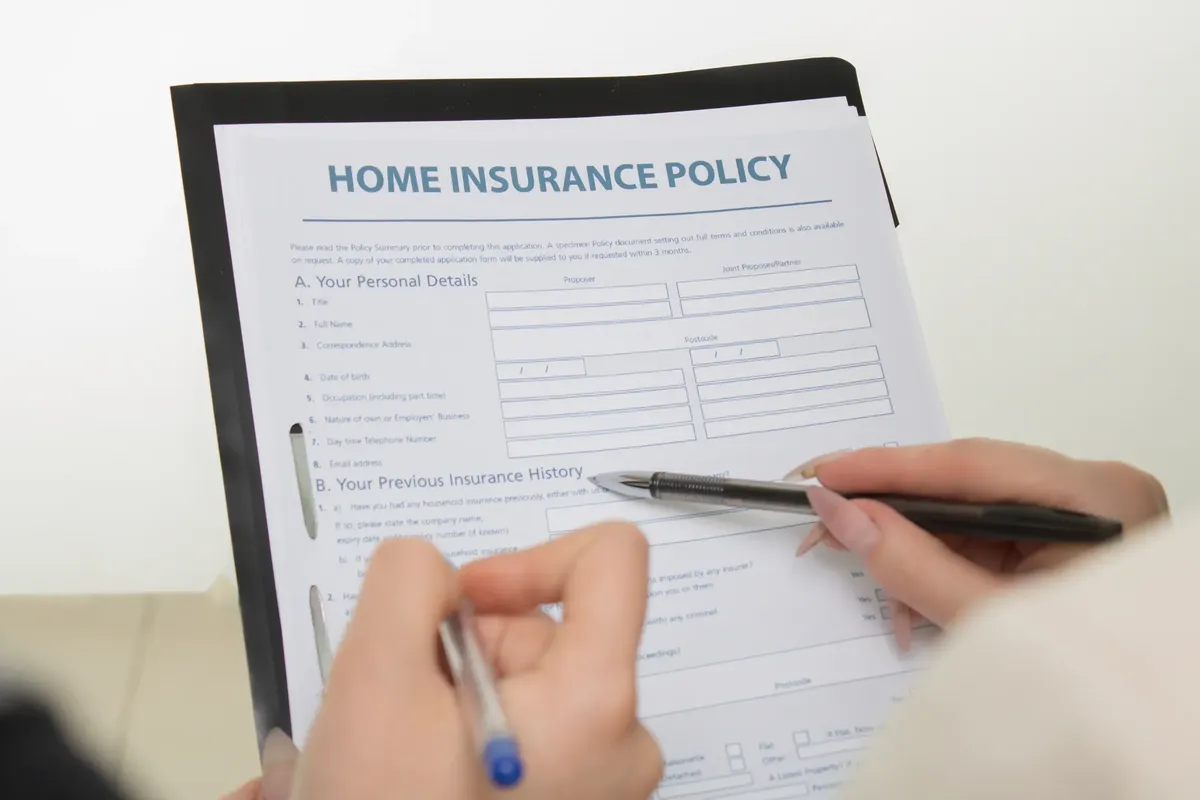
A person sits at a wooden desk, flipping through a thick policy binder while a single lamp illuminates the fine print. Verifying the scope of a policy requires a deep dive into the specific language regarding what is included and what is excluded.
The foundation of any plan lies in the definitions provided within the contract. You must reconcile the stated benefits with your specific risk profile to ensure no gaps exist.
According to the American Land Title Association (ALTA), the organization represents nearly 4,500 title insurance companies, title agents, and attorneys across the United States. Understanding the role of such professional bodies can help contextualize the industry standards you are navigating.
Effective verification involves comparing the initial quote with the final contract to ensure all promised features are present. This process helps prevent surprises during a claim.
What are the key elements of insurance coverage?
An agent hands a folder to a client, pointing to a specific clause regarding coverage limits. Identifying the key elements of insurance coverage involves distinguishing between different types of protections, such as liability, property, and specialized coverage like cyber or bond insurance.
Regulatory environments often shape how these elements are delivered. For instance, in 2022, Kentucky and Maryland enacted insurance data security legislation based upon the National Association of Insurance Commissioners (NAIC) Insurance Data Security Model Law (MDL-668).
Such laws demonstrate how state-level mandates can influence the security and reliability of insurance data.
You should also look for standardized forms, such as those used in title insurance for owners and lenders. Understanding these standards ensures you know exactly what level of service is being provided.
How to ensure an accurate insurance scope check?
A homeowner reviews a checklist while standing in their living room, looking at the walls and ceiling. An accurate insurance scope check requires a thorough comparison of the policy's coverage limits against the total value of the assets being insured.
| Feature | Description |
|---|---|
| Coverage Limit | The maximum amount an insurer will pay for a covered loss. |
| Deductible | The amount the policyholder pays before insurance coverage kicks in. |

I found that comparing these two figures is the most critical step in my own review process. If the coverage limit is too low, the policy fails during a major event; if the deductible is too high, the policy may be practically useless for minor incidents.
A limitation of this check is that it cannot account for future inflation or changes in asset value unless the policy is updated regularly.
What are the must know before buying insurance tips?
A business owner meets with a consultant to discuss risk management strategies in a bright office. Before finalizing any agreement, you must understand the relationship between premiums, investment earnings, and the company's financial stability.
A company with a combined ratio over 100% may nevertheless remain profitable due to investment earnings. This is because they invest the premiums they collect from insured parties. This financial reality means a company might stay solvent even if underwriting losses occur.
To perform an effective check, follow these three steps: 1. Review the combined ratio and investment health of the provider. 2. Cross-reference the policy exclusions with your most likely risk scenarios. 3. Verify the legal jurisdiction and governing laws of the contract.
Always perform a final check by reading the endorsement pages, as these often contain the most critical changes to the standard policy.
How to perform a detailed insurance coverage guide?
A lawyer reviews a legal document in a quiet library, highlighting specific sections of a bond insurance clause. A detailed insurance coverage guide helps you navigate complex financial products, such as those involving credit default swaps or bond insurance.
In 1999, the New York State Insurance Department (NYID) issued guidance regarding insurance of obligations under credit default swaps, which facilitated the participation by financial guaranty insurers in the CDS market.
This historical example shows how specific guidance can change the availability and scope of coverage in specialized markets.
You must also be aware of the difference between tolerance categories in certain financial documents.
For example, if a total is more than 10% higher than an estimate, the lender may be responsible for the excess, whereas individual items in a 10% tolerance category might not trigger the same penalty.

Wikipedia: Insurance (full) Based on the retained excerpt mentioning The Association of British Insurers: The Association of British Insurers (grouping together 400 insurance companies and 94% of UK insurance services) has almost 20% of the investments in the London Stock Exchange.
- How do I verify insurance benefits?
- What are the key elements of insurance coverage?
- How to ensure an accurate insurance scope check?
Check insurance coverage before signing
The subject here is Check insurance coverage before signing.
The same subject is also called What to check in insurance plan.
The same subject is also called Insurance coverage essential points.
Related




Comments 0