How to implement risk identification and control?
"To manage uncertainty effectively, one must first define the language of risk and then establish clear protocols for response."
Effective risk management requires a structured approach to identifying potential hazards and implementing control strategies. This process involves defining standardized vocabulary, conducting thorough assessments, and preparing specific treatment plans to handle identified threats.
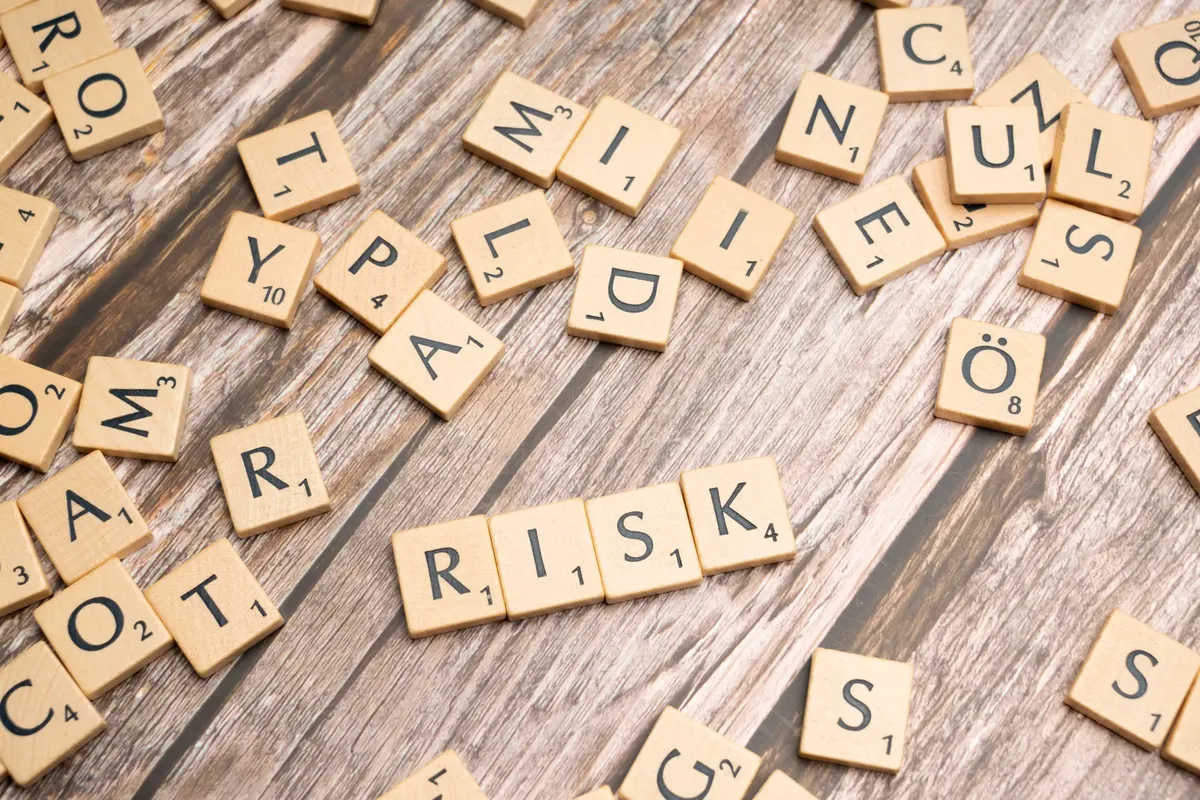
Key takeaways: 1. Establish a common vocabulary using recognized standards to ensure clarity. * Perform top-down assessments, including specialized evaluations like fraud risk assessments. * Develop a Risk Treatment Plan immediately after the assessment phase to document handling decisions.
How to implement risk identification and control?
At midnight in the quiet office, the analyst rubs tired eyes while they study the protocols they must implement to mitigate sudden threats.
An analyst reviews various regulatory documents at a desk to align internal processes with global standards. They carefully note how different definitions of risk can change the way a team perceives a single threat.
Effective risk identification and control begins with a shared understanding of terms.
Without this clarity, teams may struggle to categorize threats accurately during the initial stages of a project.
The process of identifying potential hazards requires looking at both internal operations and external regulatory requirements. By establishing a baseline of terminology, organizations can ensure that every stakeholder understands the severity and nature of the risks being discussed.
What are the best ways for systematic risk management?

A manager walks through a facility, observing how different departments handle data and physical assets. They check if the current protocols match the strategic goals set by the executive board.
Systematic risk management involves integrating risk processes into the core of organizational operations. This requires a continuous cycle of assessment and adjustment to maintain stability in shifting environments.
This guidance placed increasing scrutiny on oversight and included a specific requirement to perform a fraud risk assessment. Such a structured approach ensures that leadership-level concerns are addressed alongside operational vulnerabilities.
How can one focus on minimizing uncertainty risks?
A technician examines a piece of medical equipment, checking for any vulnerabilities that could lead to failure. They refer to a checklist to ensure every possible point of failure has been considered.
Minimizing uncertainty risks involves anticipating various scenarios and preparing for the unknown. This is particularly critical in specialized industries where failure can have direct consequences on safety or security.
This standard provides a framework for managing risks throughout the lifecycle of a device.
By applying these principles, manufacturers can better address the complexities of product safety and reliability.
What is the process for risk control strategy setup?
An engineer reviews a draft of a cybersecurity protocol, looking for gaps in the digital defense. They compare the new requirements against the existing security infrastructure to find weaknesses.
A risk control strategy setup must be responsive to the specific technical requirements of the industry.
This requirement forces companies to integrate digital security into their broader risk management strategies.
The goal is to create a plan that is both proactive and defensive. By preparing for specific technical threats, such as cybersecurity breaches, organizations can build more resilient systems.
How to assess risks effectively?
A project lead gathers the team in a conference room to review the outcomes of a recent audit. They look at the data to determine if the current mitigation efforts are sufficient.
To assess risks effectively, organizations must follow a logical progression from identification to treatment.
This plan should document the decisions about how each of the identified risks should be handled.
The effectiveness of an assessment depends on the quality of the data and the rigor of the analysis. A well-documented treatment plan ensures that once a risk is identified, there is a clear, actionable path forward to mitigate it.
| Phase | Primary Action | Goal |
|---|---|---|
| Risk Assessment | Identification and Analysis | Determine the scope and impact of threats |
| Risk Treatment | Developing a Risk Treatment Plan | Document decisions on how to handle risks |

I reviewed the transition from assessment to the treatment plan to ensure no identified hazard was left without a documented response.
- How to implement risk identification and control?
- What are the best ways for systematic risk management?
- How can one focus on minimizing uncertainty risks?
This part also covers Monitoring risk in volatile times.
This part also covers Process for risk mitigation.
Related
- Pension buyout risk transfer: Guide to pension debt transfer
- How did subprime mortgage securitization change?
How does a shared understanding of terms improve risk management?
Effective risk identification and control relies on the shared understanding of terms because it allows every stakeholder to perceive the severity and nature of the risks being discussed consistently. Without this clarity, teams may struggle to categorize threats accurately during the initial stages of a project, thereby hindering the ability to manage uncertainty effectively. Establishing a common vocabulary using recognized standards ensures that the entire organization aligns its internal processes with global standards when conducting thorough assessments.
What conditions define a resilient risk control strategy?
A resilient risk control strategy is defined by its responsiveness to the specific technical requirements of the industry. This strategy must be proactive and defensive, meaning it prepares for specific technical threats, such as cybersecurity breaches. By integrating digital security into broader risk management strategies, organizations can build more resilient systems capable of managing uncertainty. This integration ensures that the control plan addresses both operational vulnerabilities and specific technical requirements simultaneously.







Comments 0