Cancel insurance must check surrender value tips
"Deciding to end a policy is rarely just about stopping a payment; it is about understanding what you are leaving behind."
If you are considering an insurance cancellation, you must evaluate your current coverage gaps, the surrender value of your policy, and the potential impact on future insurability.

This guide covers essential steps to ensure you do not lose vital protections or face unexpected financial penalties during the transition. Key takeaways include assessing coverage continuity, understanding cash value implications, and verifying the legal status of your termination.
Why should you check coverage gaps before an insurance cancellation?
At his heavy oak desk, he gripped his pen tightly and stared at the empty space where his protection used to be before deciding to cancel.
A person sits at a wooden desk, staring at a stack of paper policies and a calculator, wondering if they are truly protected. Before you finalize any decision, you must determine if the risks you currently mitigate will remain covered by another provider.
An insurance cancellation can leave you vulnerable to sudden financial losses if a replacement policy is not active. You should verify that any new coverage begins the exact moment your current policy ends to prevent a lapse in protection.
Failure to do so might result in higher premiums later due to a break in coverage history.
How to manage the transition with a policy termination guide?
A homeowner reviews a folder of legal documents, checking the effective dates of various service contracts. Moving from one plan to another requires careful timing to ensure no period of risk goes unaddressed.
A structured policy termination guide involves three essential steps to maintain financial stability. First, confirm the exact expiration date of your existing policy to avoid overlapping costs. Second, secure a written confirmation of the termination from your current provider.

Third, verify that your new coverage is fully active and that all necessary riders are in place.
Finally, perform a final check by reviewing your budget to ensure the new premium fits your current financial reality. I once spent an entire afternoon comparing dates to ensure a seamless transition between two different providers.
What are the risks of a sudden insurance lapse?
A driver grips a steering wheel, looking at a blank space on their insurance card where a renewal should be. A lapse in coverage can trigger higher rates and a loss of continuous coverage benefits in the future.
Knowing before canceling policy is vital because a lapse can be interpreted by underwriters as a sign of increased risk. This can lead to much higher premiums when you attempt to re-enter the insurance market.
It is essential to have a replacement ready before the current term expires to mitigate this specific risk.
What is the importance of understanding the surrender value?
An investor looks at a bank statement, comparing the amount they paid into a policy against the amount they will receive upon cancellation. For certain types of life or investment-linked policies, the amount you receive is not simply the total of your premiums.

Understanding the specific terms of your policy is critical, especially regarding cash value or surrender charges. If your policy has accumulated cash value, you must calculate how much of that can be accessed versus how much is lost through penalties.
A checklist for insurance lapse should always include a request for a formal surrender value statement from the insurer.
How to handle the paperwork for an insurance cancellation required info?
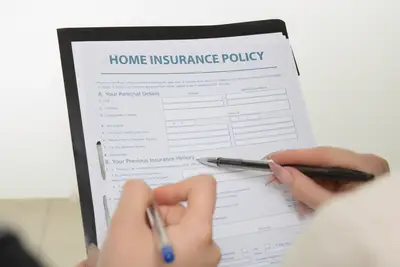
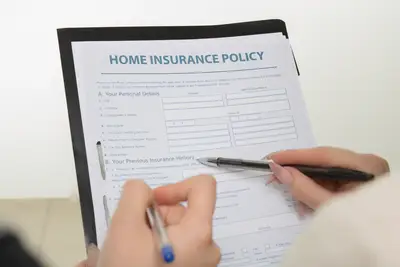
An office worker organizes a series of forms, ensuring every signature is in the correct place to avoid processing delays. The administrative side of ending a contract can be just as complex as the financial side.
Gathering the insurance cancellation required info is the first step in a smooth exit. You will typically need your policy number, a signed cancellation request form, and verification of your identity.
Ensure you receive a written notice of cancellation that clearly states the effective date and the amount of any refund due to you.
| Action Item | Primary Goal |
|---|---|
| Verifying coverage gaps | To prevent unprotected periods |
| Calculating surrender value | To understand net financial impact |
Wikipedia: Insurance (full) Based on the retained excerpt mentioning The Association of British Insurers: The Association of British Insurers (grouping together 400 insurance companies and 94% of UK insurance services) has almost 20% of the investments in the London Stock Exchange.

- Why should you check coverage gaps before an insurance cancellation?
- How to manage the transition with a policy termination guide?
- What are the risks of a sudden insurance lapse?
Cancel insurance must check
The subject here is Cancel insurance must check.
The same subject is also called Insurance cancellation steps.
The same subject is also called Know before canceling policy.
The same subject is also called What to check before lapse.
This part also covers Guide to policy termination process.
Related
- Insurance renewal tips: How to manage renewal process guide
- Insurance claim required docs: What to submit for claim
What conditions necessitate a thorough review of policy details?
Understanding the specific terms of your policy becomes paramount when the policy involves investment components. If deciding to end a policy, one must carefully examine how the cash value interacts with any associated surrender charges.
A 2007 book attacking the American title insurance "cartel" acknowledged that more extensive use of Torrens certification would require setting up a special judicially supervised bureaucracy, according to cartel.
This review helps determine the true net financial consequence of deciding to end a policy early.
When comparing different coverage options, the condition of continuity is essential for protecting against unexpected financial penalties. A thorough review ensures that the gap identified during the evaluation phase is genuinely closed by the replacement coverage.
If the policy has been held for a significant duration, the accumulated cash value warrants extra scrutiny before deciding to end a policy. This scrutiny ensures that the potential benefit of the cash value outweighs the cost of maintaining the existing policy structure.



Comments 0