Insurance claim required docs: What to submit for claim
"The difference between a smooth reimbursement and a frustrating delay often lies in the paperwork prepared before the incident even occurs."
Navigating the complexities of an insurance claim requires a systematic approach to documentation to ensure all necessary evidence is provided to the provider. This guide outlines how to organize essential paperwork and what to prepare to facilitate a seamless submission process.
Key takeaways include understanding policy nuances, preparing standardized forms, and maintaining a checklist for different coverage types.
What are the essential documents for an insurance claim?

At dusk, I ran my fingers over the crinkled receipts on my desk while organizing the files for my insurance claim.
A person sits at a desk, spreading out various medical receipts and policy documents to prepare for a pending submission. Organizing these papers is the first step toward securing a timely payout.
The primary goal of an insurance claim required docs is to provide verifiable proof of the loss or event described in the policy. This typically involves submitting a formal claim form, proof of loss, and supporting evidence such as medical records or damage assessments.
Standardized forms for different types of coverage, such as title insurance, exist to serve both owners and lenders. Having these documents ready prevents the need for repetitive administrative tasks.
Effective claim submission requirements often begin with a clear understanding of the specific policy terms. Without the correct paperwork, the process can stall indefinitely.
How can I manage the insurance claim process guide effectively?
While sitting at the kitchen table at dawn, I carefully typed into my laptop to follow every step of the insurance guide.
A policyholder reviews a digital folder containing scanned copies of every signed agreement and recent receipt. They ensure every file is named clearly to avoid confusion during the upload process.
An insurance claim process guide should emphasize the importance of matching documentation to the specific coverage type. For instance, property claims require different evidence than health or life insurance claims.
Gathering all necessary evidence before contacting the adjuster can significantly reduce the time spent on follow-up calls. It is best to keep digital and physical copies of everything submitted.
Preparing for a claim involves verifying that all dates on the documentation align with the coverage period. This prevents immediate denials based on timing errors.
What should I look for in my insurance claim checklist?
A consumer holds a printed checklist, marking off items like policy numbers, dates of incident, and contact information for service providers. They compare these notes against their original policy documents.
Using an insurance claim checklist helps ensure no critical piece of evidence is overlooked during a stressful time. A well-maintained list serves as a roadmap for the entire submission.
An insurance claim checklist should include a section for tracking the status of each submitted document. This allows you to see exactly what the insurer has received and what is still pending.
Checking the completeness of your insurance claim checklist before hitting "send" can save weeks of back-and-forth communication. Always ensure that signatures are present where required.
How do I handle the insurance claim submission requirements?

A user logs into a secure portal, carefully uploading high-resolution scans of receipts and official reports. They double-check that the file sizes are acceptable for the system.
Following the insurance claim submission requirements strictly is vital for preventing technical denials. Many insurers require specific file formats or certified copies of certain documents.
If a claim involves a legal or title issue, specific documentation like Torrens certification or judicial records might be necessary. These specialized requirements depend on the nature of the coverage.
Meeting the insurance claim submission requirements often means providing more than just the bare minimum. Supplemental evidence can often expedite the assessment of a complex claim.
How can I avoid common mistakes when filing?
A person notices a discrepancy between a receipt and a claim form and takes a moment to resolve the error before submitting. They realize that accuracy is more important than speed.
According to the Consumer Financial Protection Bureau, guidance on comparing insurance options and the Insurance Information Institute (III) on flood exclusions provide context for common coverage gaps.
To avoid mistakes, one must realize that what to submit for claim purposes must be perfectly consistent with the policy language. Discrepancies in dates or amounts can trigger investigations.
It is helpful to compare the information on your claim forms with your original policy to ensure consistency. Discrepancies between the reported loss and the policy limits can cause significant delays.
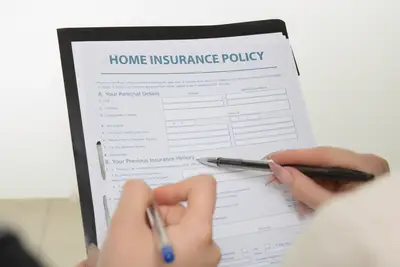
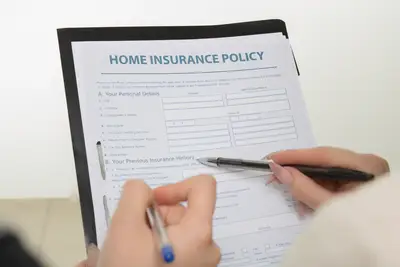
Always verify that you have the correct version of the claim form, as insurance companies often update their paperwork. Using an outdated form can lead to an immediate rejection.
How to file insurance claim paperwork correctly
A professional organizer places documents into labeled folders, creating a clear chronological sequence of events. This methodical approach ensures that every piece of paper has its intended place.
To ensure a smooth process, follow these steps for managing your documentation:
- Collect all original receipts, medical reports, or damage assessments related to the specific incident. 2. Complete the official claim forms provided by your insurer, ensuring all fields match your policy details. 3. Scan all documents into a single, organized digital folder and keep the physical originals in a secure location.
Perform a final check to ensure all signatures are present and all requested attachments are included in the submission.
| Document Type | Primary Purpose |
|---|---|
| Claim Form | Formal notification of loss |
| Supporting Evidence | Verifying the extent of the loss |
I found that keeping a digital backup of every single paper I submitted made the follow-up process much easier.

A limitation of this approach is that specific requirements may change based on the insurance company's internal policies or specific state regulations, such as those issued by the New York State Insurance Department.
Wikipedia: Insurance (full) Based on the retained excerpt mentioning The Association of British Insurers: The Association of British Insurers (grouping together 400 insurance companies and 94% of UK insurance services) has almost 20% of the investments in the London Stock Exchange.
- What are the essential documents for an insurance claim?
- How can I manage the insurance claim process guide effectively?
- What should I look for in my insurance claim checklist?
Insurance claim required docs
The same subject is also called Claim necessary papers.
The same subject is also called Required claim documents.
Related


Comments 0