Insurance premium vs coverage: Why review policy documents
"Insurance is not just a monthly expense; it is a contract of protection that requires careful scrutiny of both cost and scope."
Understanding the difference between insurance premium vs coverage is the first step toward financial security. This guide helps beginners distinguish between what you pay and what you receive, providing a clear path to evaluating policy value.
You will learn how to compare costs against benefits, identify potential gaps, and prepare for renewal periods.
How do I distinguish insurance premium vs coverage?
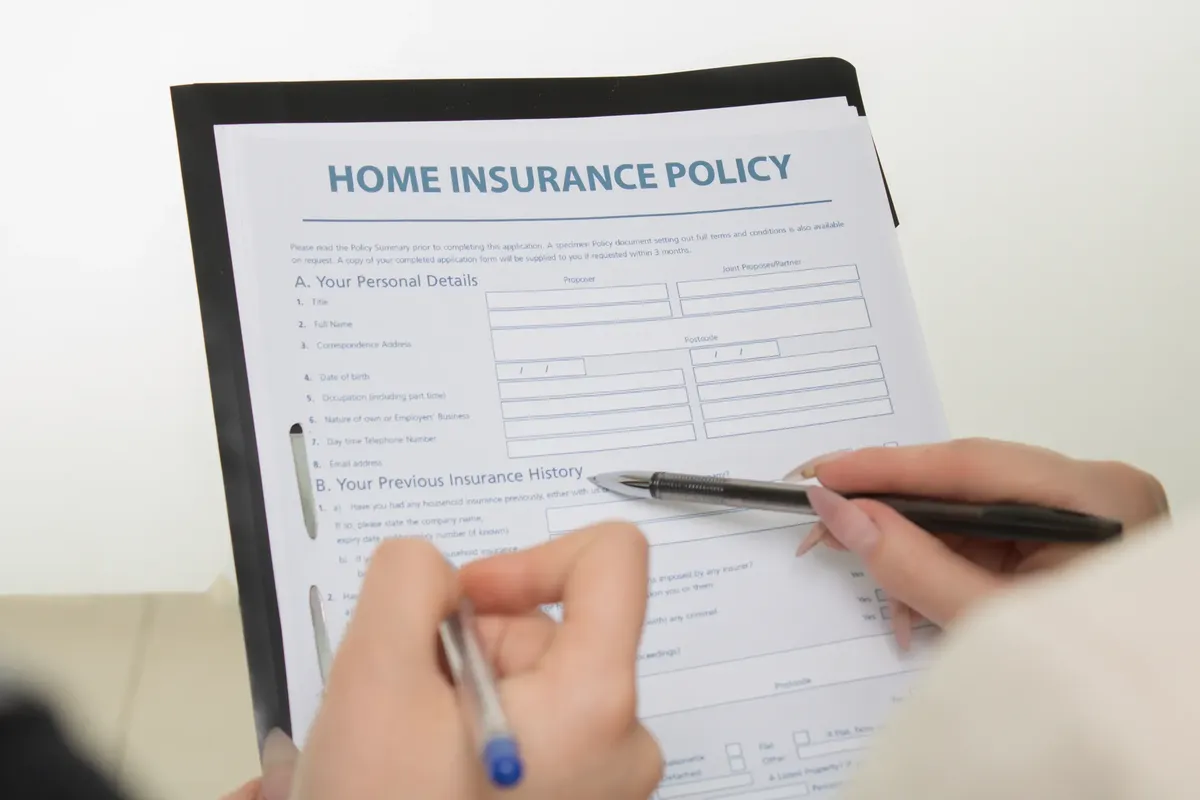
A person sits at a wooden desk, staring at two different policy documents side by side. The first document shows a monthly cost, while the second lists various protection limits.
In the simplest terms, the premium is the amount of money you pay to keep the policy active, while coverage represents the specific protections and benefits provided by the insurer.
When managing your finances, you must balance these two elements to ensure you are not overpaying for unnecessary extras or under-insured for major risks. This fundamental insurance basics guide helps you see that a low premium does not always mean a good deal if the coverage is insufficient.
Effective insurance basics for beginners involve looking past the sticker price to see the actual value. If you focus only on the monthly cost, you might find yourself facing massive out-of-pocket expenses during a crisis.
Conversely, paying for excessive coverage you will never use can drain your savings unnecessarily.
Think of the premium as the subscription fee you pay to keep the policy active, while coverage represents the specific protections and benefits provided under that policy.
How much coverage can I get for my premium? An individual holds a magnifying glass over a policy document, tracing the lines of fine print with a finger.
When evaluating your options, you must analyze how the premium relates to the scope of protection. A common strategy is to compare the renewal premium vs market rates to ensure you are still getting a fair deal.
If you notice that your premiums have increased by more than 10%, you should actively seek at least two additional quotes to verify the current market value.

Understanding insurance terms is easier when you view the premium as the "entry fee" and the coverage as the "safety net." If the net is too small, the entry fee is wasted. If the entry fee is too high, you may struggle to afford other necessities.
| Feature | Insurance Premium | Insurance Coverage |
|---|---|---|
| Definition | The regular payment made to the insurer | The scope of protection and benefits provided |
| Primary Goal | To maintain an active policy | To mitigate financial loss during specific events |
I remember looking at my own policy renewal and realizing that a slight increase in my monthly cost actually provided a much wider scope of protection.
In this comparison, the second point is the most detailed.
How can I perform an insurance coverage explained review?
A consumer opens a laptop and begins typing a list of questions into a search engine.
To conduct a proper review, you should follow a systematic approach to ensure no gaps exist in your protection. This process prevents surprises when you actually need to file a claim.
- Review your existing policy documents to identify current limits and exclusions. 2. Compare your current premium against market rates to see if your costs align with your coverage level. 3. Check for specific exclusions, such as flood limitations, that might leave you vulnerable.
Setting reminders 60–90 days before a renewal date allows you enough time to shop around and compare different options. This proactive approach ensures you are not rushed into a decision that might leave you under-insured.

- Gather all current policy documents and summary of benefits.
- Identify the specific limits and exclusions for each type of coverage.
- Cross-reference your current coverage against your actual financial needs.
How do I manage my insurance basics guide through renewal?
A hand reaches for a calendar, marking a date in red ink with a steady stroke.
Managing your transition from one policy year to the next requires foresight and organization. You should not wait until the day your coverage expires to look for new rates.
An effective way to manage this is to note your renewal dates and set reminders 60–90 days in advance. This window provides ample time to shop for better rates or more comprehensive protection. By being prepared, you can avoid the stress of sudden price hikes.
Using an insurance basics guide to track your own history can also help you negotiate better rates with providers. Keeping a log of your claims and payments allows you to present a clear history to potential new insurers.
Review your policy terms before the expiration date to ensure you are not paying for coverage that no longer serves your lifestyle.
What is my basic insurance plan missing? A person looks out a window at a storm, wondering if their policy covers the rising water levels.
A 2007 book attacking the American title insurance "cartel" acknowledged that more extensive use of Torrens certification would require setting up a special judicially supervised bureaucracy, according to cartel.
While understanding the difference between premium and coverage is vital, no single policy can address every possible life event. A limitation of even the most comprehensive plan is that it cannot account for every unique or catastrophic variable without significantly increasing the cost.

A specific limitation involves understanding that standardized forms of title insurance exist for owners and lenders, but they may not cover every legal nuance. Similarly, coverage is always subject to the specific terms and exclusions outlined in your individual contract.
Basic planning often focuses on immediate risks and may fail to account for long-term wealth preservation or complex liability issues.
Wikipedia: Insurance (full) Based on the retained excerpt mentioning The Association of British Insurers: The Association of British Insurers (grouping together 400 insurance companies and 94% of UK insurance services) has almost 20% of the investments in the London Stock Exchange.
Related
- Insurance obligations guide: Top 5 insurance checklist items
- What insurance to buy daily: Daily life insurance needs
When should I re-evaluate my insurance basics guide? It is wise to re-evaluate your insurance basics guide after any significant life change, such as purchasing a new home or changing employment. These events can alter your risk profile, meaning your current coverage might no longer align with your actual needs. Furthermore, reviewing the policy after a major claim helps you assess if the existing protections were adequate for the event that occurred. This proactive step ensures your insurance remains a relevant contract of protection.
You should re-evaluate your coverage during major life transitions, such as marriage, the birth of a child, or purchasing a new home.
What conditions necessitate a deeper dive into policy details? If your monthly insurance premium rises unexpectedly, a deeper dive into policy details is warranted. This scrutiny helps determine if the increased cost corresponds to an enhanced scope of protection. Comparing the new premium against market rates provides necessary context for this financial decision. Always examine the policy documents closely when such a change occurs.
When comparing the monthly insurance premium to coverage, remember that the insurer's perspective is to manage risk, while your perspective must focus on mitigating your personal financial loss.
A mismatch between these viewpoints can lead to either unnecessary spending or unexpected financial burdens during a crisis. This comparison is central to understanding the true value of your insurance.



Comments 0