Pet insurance cost increase: How to evaluate coverage needs
The subject here is Pet insurance cost increase.
"Insurance is the mechanism of risk transfer, turning uncertain financial catastrophes into predictable, manageable costs."
Understanding insurance requires distinguishing between different types of coverage, recognizing regulatory oversight, and grasping how reimbursement structures work.
This guide provides a foundational look at insurance categories, regulatory roles, and pet insurance trends to help you navigate complex policy terms.
Key takeaways: 1. Insurance types vary based on the specific risk being mitigated, such as property, life, or liability. * Regulatory bodies oversee licensing and market conduct to maintain industry stability. 2. Understanding reimbursement terms like deductibles and percentages is essential for evaluating coverage value.
How do different insurance types function in a market?

At dusk, the trader stares at the flickering screen while tracing the complex lines of a specialized insurance contract.
A professional sits at a desk reviewing various policy documents, noting the differences between life and property coverage. The sheer variety of insurance products can be overwhelming for those new to the industry.
Insurance serves various purposes depending on whether it protects individuals, businesses, or specific assets. Some policies focus on life and health, while others cover property or legal liabilities.
In financial markets, specific instruments even exist to cover obligations like credit default swaps.
According to the New York State Insurance Department (NYID), guidance issued in 1999 regarding the insurance of obligations under credit default swaps helped facilitate the participation of financial guaranty insurers in the CDS market.
This illustrates how insurance can be applied to highly specialized financial instruments.
The market landscape is constantly shifting based on economic needs and regulatory changes. Understanding these shifts helps policyholders grasp why certain products exist.
What roles do regulatory bodies play in insurance? Pet insurance cost increase
In the evening I hold insurance and walk through the next step.
An official reviews a stack of licensing applications, ensuring every intermediary meets the legal requirements of the state. Oversight is a fundamental pillar of the insurance industry.
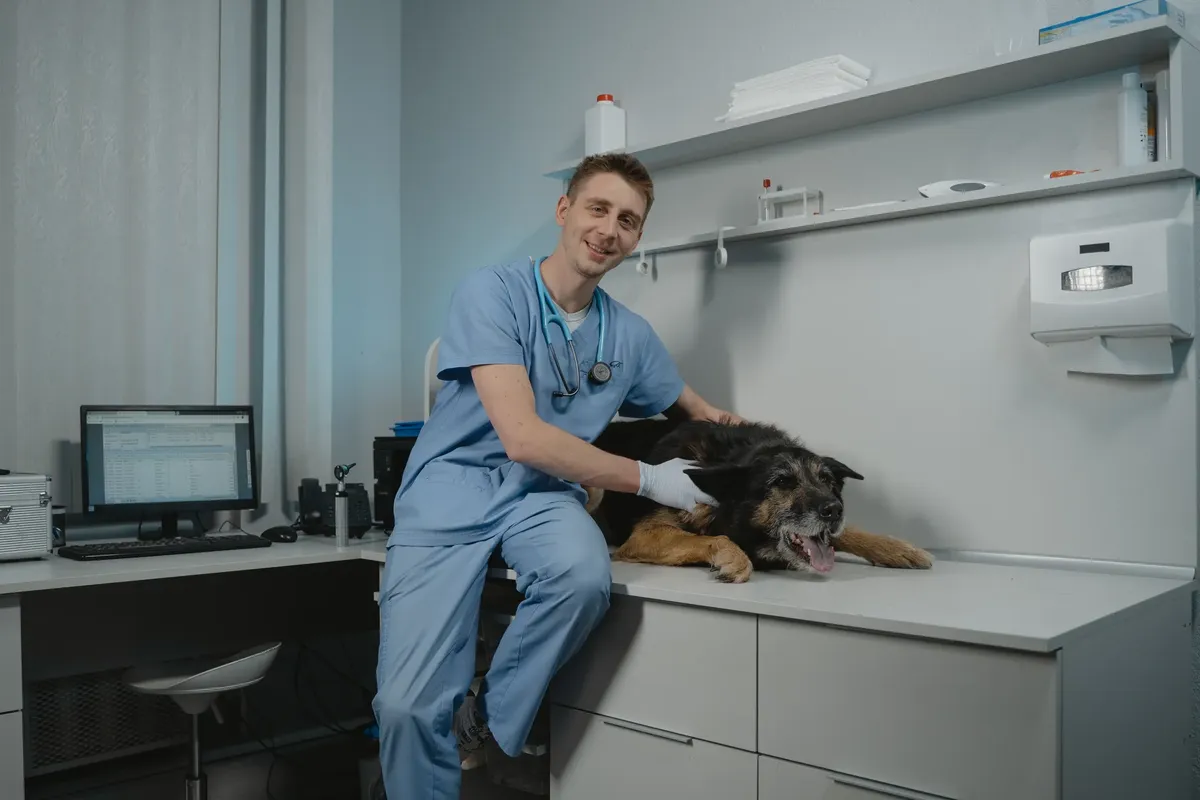
According to the Association of Insurance Commissioners (NAIC) develops, state departments of insurance license insurers while the National Association of Insurance Commissioners develops model laws and coordination frameworks for adoption by individual states.
Regulatory bodies exist to license insurers and intermediaries, while also overseeing pricing and market conduct. These organizations ensure that companies remain solvent and that consumers are treated fairly under the law.
State departments of insurance license insurers and intermediaries and oversee product forms, pricing, and market conduct. Meanwhile, the National Association of Insurance Commissioners (NAIC) develops model laws and coordination frameworks for adoption by individual states.
Effective regulation helps maintain public trust in the financial system. Without these frameworks, the stability of risk transfer would be significantly compromised.
According to The Association of British Insurers, the recorded figure is 94%.
How does reimbursement work in a standard policy?
A policyholder reviews a claim statement, comparing the amount paid to the original vet bill. The math behind a reimbursement can be confusing without a clear understanding of the policy terms.
Reimbursement is the process where an insurer pays for covered losses according to specific contract rules. This often involves calculating a portion of the cost based on pre-set percentages or limits.
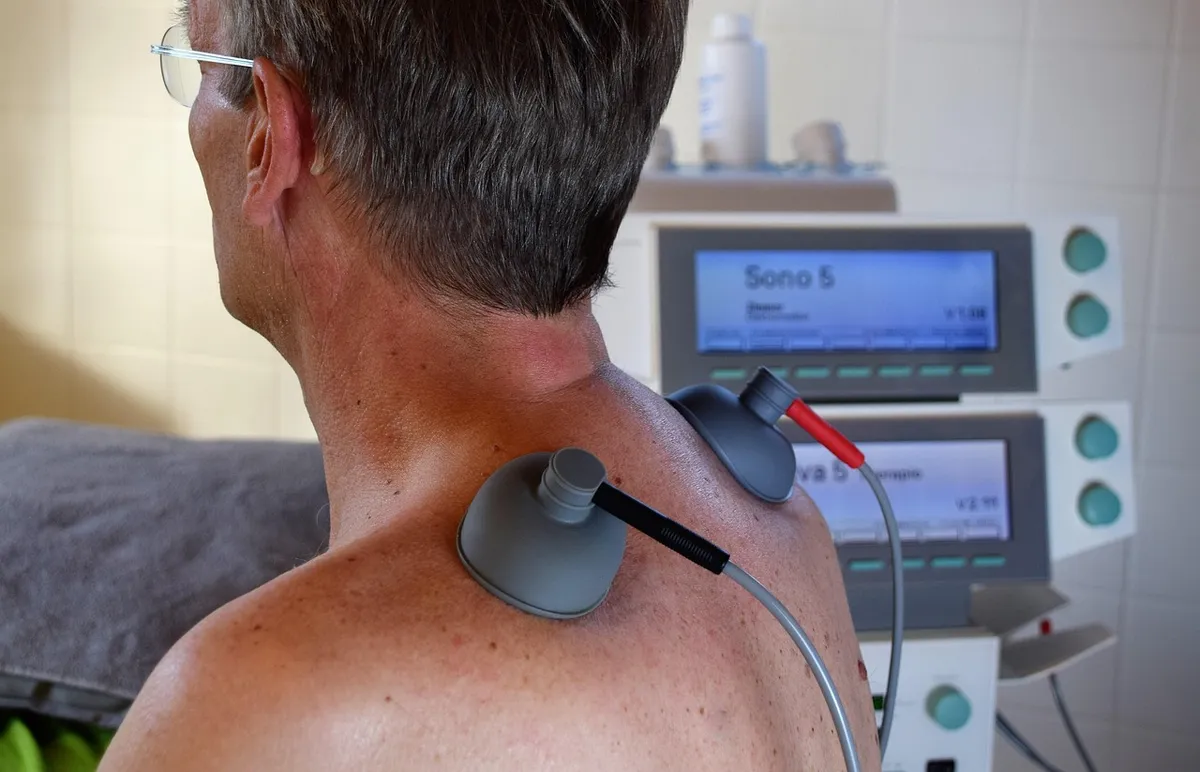
The insurer reimburses eligible expenses according to the policy’s terms, which may include reimbursement percentages, commonly 70–90%, deductibles, and limits on annual or per-condition benefits.
These variables determine how much out-of-pocket expense a policyholder must cover before the insurance kicks in.
It is vital to check these specific percentages and limits before signing a contract. A high reimbursement percentage might seem attractive, but a high deductible could offset the benefit.
What are the trends in pet insurance coverage?
A pet owner looks at a rising veterinary bill and considers adding a comprehensive policy. Pet insurance has seen significant shifts in popularity and participation over recent years.
As noted by the Association of Insurance Commissioners (NAIC) develops, the number of insured pets has increased 125% since 2018.
Pet insurance is a growing sector, though participation rates vary wildly between different countries. While some regions have high adoption, others remain much lower.
In the United States, as of 2024, fewer than 5% of all pets were covered by an insurance policy. In contrast, as of 2009, Britain had the second-highest level of pet insurance in the world at 23%, trailing only Sweden.
Comparing these statistics shows how much room for growth exists in certain markets. In the United States, Americans spent $136.8 billion on their pets in 2022, which was an increase of nearly 11% compared to 2021.
How can you evaluate insurance growth and stability?
An analyst tracks global premium trends on a digital dashboard, noting the steady upward trajectory of the sector. Market growth often reflects both inflation and increased consumer awareness of risk.
Measuring the health of the insurance sector involves looking at compound annual growth rates and the total volume of premiums. Sustained growth often indicates a maturing market or an expanding need for coverage.
Market data shows sustained double-digit growth in the sector, with global premiums increasing at an estimated 11–15% CAGR between 2019 and 2024. This growth reflects the increasing complexity of risks in a globalized economy.
I once reviewed a growth report where the rising cost of living was directly linked to increased demand for liability coverage. This type of market movement is common when economic uncertainty rises.
How do you navigate insurance through these three steps?
A student opens a new laptop and begins researching the legalities of insurance for their first apartment. Moving from curiosity to action requires a structured approach to information gathering.
To make an informed decision, follow these steps to evaluate your needs:
- Identify the specific risk: Determine whether you need coverage for life, property, liability, or health. 2. Analyze the reimbursement structure: Carefully review the deductible, reimbursement percentages, and annual limits. ly
- Verify regulatory standing: Ensure the provider is licensed by the appropriate state or regional authority.

After completing these steps, perform a final check by comparing the total cost of premiums against the potential payout in a crisis. This ensures the policy is financially sustainable for your budget.
One limitation to consider is that insurance products are subject to varying regional laws, meaning a policy that works in one country may not be applicable in another.
When I tried the steps in order, the second one is where I paused longest.
This order does not hold, however, when the figure is not 23%.
| Item | Figure |
|---|---|
| 1 | 23% |
| 2 | 5% |
The subject here is Pet insurance cost increase.
The same subject is also called Vet bill rising trend.
The same subject is also called Pet medical cost guide.
The same subject is also called Insurance for pet health.
The same subject is also called Rising pet healthcare costs.
This part also covers How vet tech drives insurance.
This part also covers Analyzing pet insurance market.
This part also covers Future of pet medical coverage.
How vet tech drives insurance
Related








Comments 0