Health aid and insurance link: How 77% use private insurance
"The strength of a social welfare system is often measured by how seamlessly its various layers of support interact to protect the individual."
The health aid and insurance link in South Korea functions through a dual structure where a single national insurer manages the core coverage while private insurance supplements the remaining costs.
This system relies on the foundation established by the National Health Insurance Service (NHIS) to ensure universal access.

Key takeaways include the historical consolidation of insurance funds, the role of private supplemental coverage, and the specific funding balance between government and payroll.
How was the health aid and insurance link established?
At the dusty archive desk, the policymaker ran a trembling hand over the old parchment that detailed the birth of the modern health link.
A policymaker reviews a historical document detailing the transition from fragmented societies to a unified system. In 2000, the National Health Insurance Service (NHIS) was founded to combine all health insurances into a single national health insurer.
This major healthcare financing reform merged all medical societies into the NHIS to create a streamlined structure.
This consolidation was designed to stabilize the medical support system Korea had built over previous decades. By centralizing the funds, the government sought to provide a more equitable distribution of resources across the population.
This structural change remains the backbone of the current healthcare landscape.
What defines the interplay of welfare and health insurance?
A citizen examines a monthly statement showing both public and private insurance deductions. The interplay of welfare and health insurance is characterized by the relationship between the national plan and private coverage.
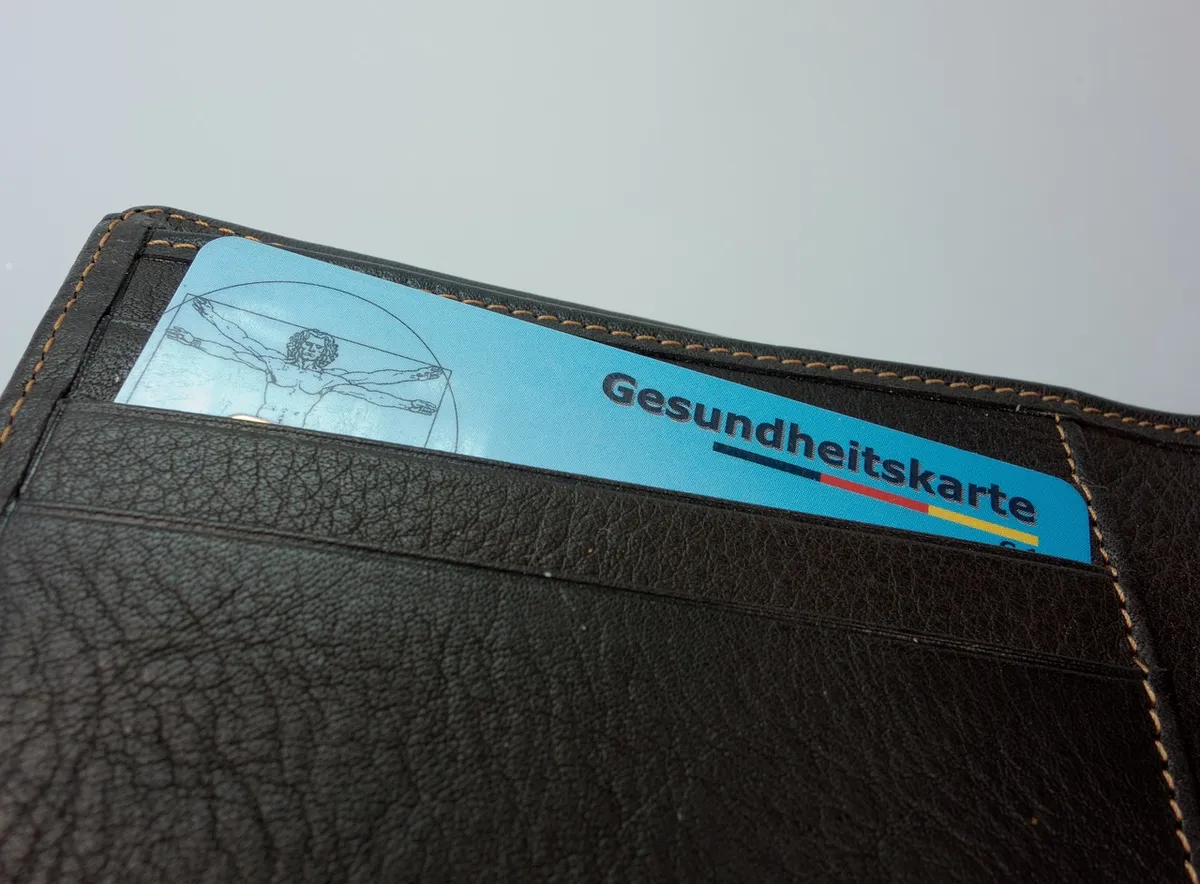
According to an NHIS survey, 77% of the population have private insurance to supplement the base coverage.
The national health plan covers at most 60% of each medical bill. Because the public coverage does not encompass the full cost of services, private insurance acts as a necessary buffer for many households.
This balance between public responsibility and private supplement defines the modern coverage model.
How does the Korean medical support structure manage funding?
An accountant calculates the percentage of gross domestic product allocated to various health sectors. The Korean medical support structure utilizes diverse revenue streams to maintain its high ranking among OECD nations.
According to the National Health Insurance Service, the National Health Insurance Service (NHIS) was founded in 2000 to combine all health insurances into a single national health insurer.
The national government provides 14% of the total amount of funding and the tobacco surcharges account for 6% of the funding.
Additionally, payroll contributions play a significant role in sustaining the system. An average of 5% of payroll is deducted out of employees' monthly incomes, divided between the employee and the employer. These diverse inputs ensure the NHIS can manage the vast needs of the population.
| Funding Source | Percentage of Total |
|---|---|
| National Government | 14% |
| Tobacco Surcharges | 6% |

I observed how these specific percentages create a complex web of financial responsibility between the state and the individual.
How does healthcare support linkage address coverage gaps?
A patient sits in a waiting room, reviewing the difference between their insurance coverage and the actual hospital bill. The healthcare support linkage must account for the reality that the national plan does not cover every expense.
The cost of healthcare services covered by insurance only amounts to 87% of the original cost.
This gap means that while the insurance provides a baseline, individuals often face out-of-pocket expenses. The relationship between the public and private sectors is essential to bridge this percentage difference.
This linkage ensures that high-cost treatments remain somewhat accessible through supplemental means.
What are the limitations of the current system?
A healthcare provider compares local medical fee schedules with international standards. Despite high accessibility, certain challenges remain regarding the workforce and reimbursement rates.
According to KOSIS, relevant official statistical tables include population, general society, and crime/safety.
When compared to the average figures for healthcare providers in Japan and OECD countries, there remains a gap in terms of the healthcare workforce available to the population.

Furthermore, practitioners note that the fees reimbursed by the government do not cover the full cost of services. This can create pressure on the quality of care and the sustainability of medical facilities. Addressing these gaps is a continuous part of managing the national health infrastructure.
The subject here is Health aid and insurance link.
The same subject is also called Social welfare health aid.
The same subject is also called Insurance and medical help.
This part also covers How health aid complements insurance.
Related
- CA insurance reform impact: How rate caps affect costs
- Pet insurance history: 19th century coverage influence guide
How does the private insurance supplement the social welfare system? 1. Private insurance acts as a necessary buffer for many households because the national health plan covers only a portion of the service cost. 2. The relationship between the national plan and private coverage defines the modern coverage model. 3. A survey indicated that 77% of the population possesses private insurance to augment the base coverage provided by the NHIS. 4. This supplemental coverage helps bridge the gap when the public coverage does not encompass the full expense of medical care.
What are the implications of the funding structure on the social strength? 1. The diverse revenue streams, including government allocation and payroll contributions, sustain the system's high ranking. 2. The national government contributes 14% of the total funding, alongside 6% from tobacco surcharges. 3. Payroll deductions, split between employee and employer, account for an average of 5% of monthly incomes. 4. This complex web of financial responsibility demonstrates the system's structural reliance on multiple sources to maintain its social strength.
The foundation of the system rests on the NHIS consolidating all health insurances into one national body. This consolidation aimed to provide a more equitable distribution of resources across the population, thereby strengthening the social safety net.
The comparison between government-reimbursed fees and the actual cost of services highlights a persistent condition within the structure. This discrepancy puts pressure on the quality of care and the long-term sustainability of medical facilities.







Comments 0